
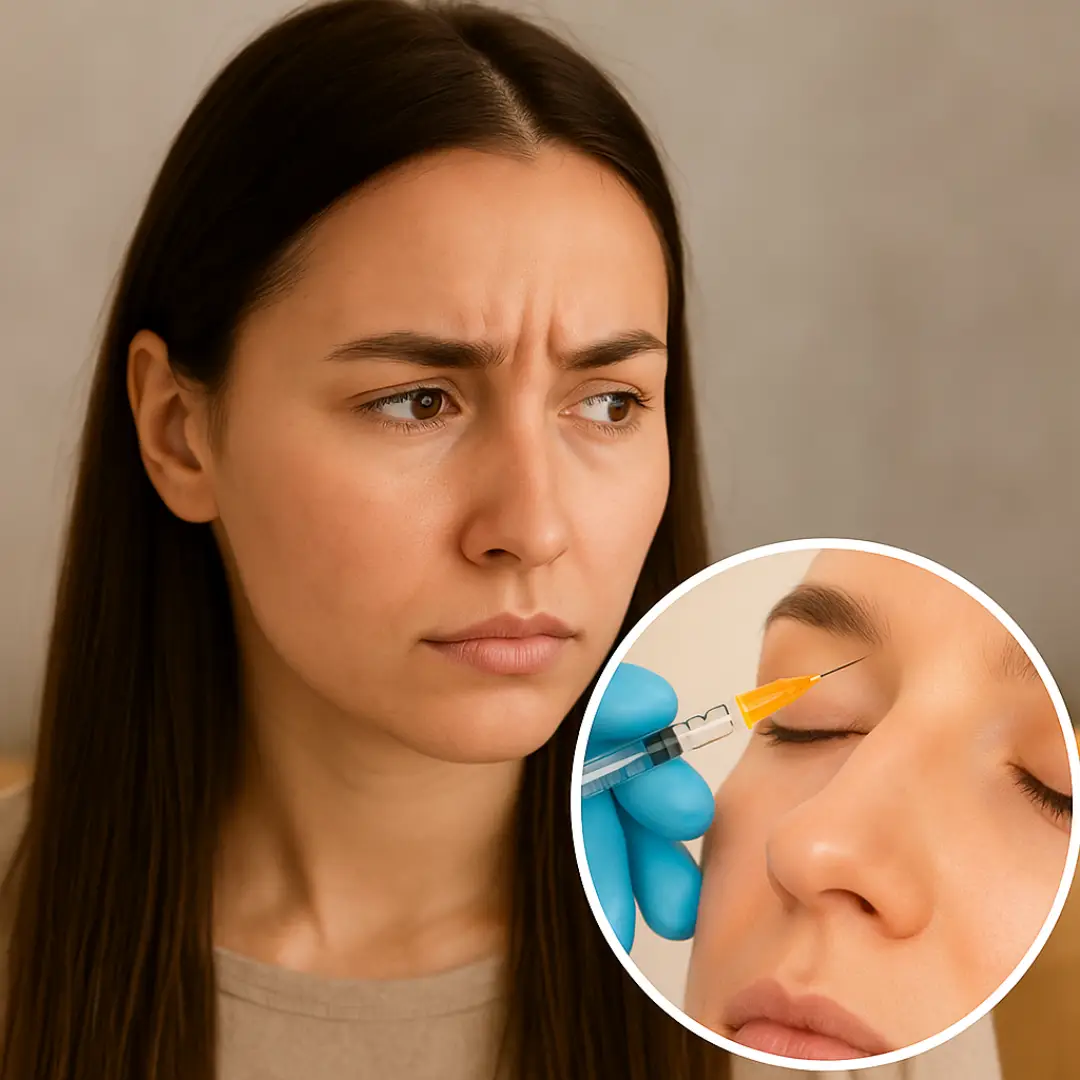
Botox Aftercare Tips: What to Do and What to Avoid?

Author: Dr. Saima Rafiq
Updated on August 31, 2025
Summarize this blog post with:
Botox isn’t a “get it and forget it” treatment. It requires precision, and your aftercare matters just as much as the injection itself. What you do in the first few hours and the following couple of weeks actively determines whether your results last for three months or fade in just weeks.
That’s why I created this essential guide to botox aftercare. I’ll show you the do’s, don’ts, and must-know tips so you can actively protect your investment and keep your skin looking fresh and flawless for longer than you ever thought possible.
The Do’s: What to Do After Botox?
As you may already know, Botox is one of the most trusted treatments for softening fine lines and wrinkles. To make the most of your results, it’s important to follow a few simple aftercare steps.
Keep Your Skin Hydrated
Drink water throughout the day and eat water-rich foods like cucumbers or watermelon to keep your skin hydrated. Follow your usual skincare routine, but avoid touching the treated areas for 24 hours.
Stay Upright
Stay upright for at least 4 hours after your neurotoxin injections. This helps keep the botox in the right muscles and ensures your results are precise. Don’t lie down, lean forward, or bend over. Similarly, treat these hours as your “no-bend zone” for the best outcome.
Do Light Exercises
Light walking is fine. This helps keep the botox in the right place for the best results. However, don’t do intense workouts, yoga, or poses where you need to bend over for 24 hours after your treatment.
Make Gentle Facial Movements
In the first hour or two, make a few gentle expressions, like smiling, frowning, or lifting your eyebrows. These small movements help the botox settle into the right muscles. But, don’t overdo it, just some light movements are enough.
Apply a Cool Compress if Needed
If you notice mild swelling or redness, wrap a cool compress in a clean cloth and gently apply it for short periods. This soothes your skin and helps protect your results.
The Dont’s: What Not to Do After Botox?
I recommend that you can usually return to your normal activities right after your injections. While there’s a lot of advice online about what to do or avoid, if your injections are done correctly, very little special aftercare is needed.
However, there are a few best practices you should follow:
Don’t Rub or Massage the Treated Area
Botox for wrinkles is a liquid and can spread within about half an inch. Touching, rubbing, or massaging your face for the first 12 hours increases the risk of uneven results.
Don’t Drink Alcohol or Take Certain Medications
Skip alcohol for the rest of the day, and avoid blood-thinning medications like aspirin, ibuprofen, or naproxen unless prescribed by your doctor. These can raise blood pressure and increase bruising at injection sites.
Don’t Take Aspirin and Ibuprofen
NSAIDs like aspirin, ibuprofen, and naproxen sodium can thin the blood and increase bruising. If you need pain relief, acetaminophen (Tylenol) is a safer choice.
Don’t Overthink Every Rule
Many aftercare tips you’ll hear are about comfort rather than medical risk. The biggest issues with Botox typically come from poor injection technique—not from small things you do afterward. Still, following these expert-backed don’ts keeps you on the safe side.
Bonus Tips for a Flawless Finish
Want extra tips for botox aftercare treatment? Follow these bonus botox aftercare instructions to maximize your results and enjoy a smooth, long-lasting finish:
Be Patient with Your Results: Botox isn’t instant. Most patients see improvements within 3 to 7 days, with full results around two weeks. Avoid rushing to judge your outcome too soon.
Protect Your Skin from the Sun: Sun exposure can worsen swelling and redness. Use broad-spectrum sunscreen daily and avoid tanning beds for several days post-treatment.
Communicate Any Concerns Promptly: If you notice unusual pain, drooping, or asymmetry, contact your injector immediately. Early intervention ensures the best possible correction.
Follow a Healthy Lifestyle: Hydrated skin, balanced nutrition, and avoiding smoking support your Botox results and overall skin health.
👉You may also want to read: Can I drink coffee after lip filler?
When to See a Doctor After Botox?
It’s normal to experience redness, tenderness, or swelling after Botox, which usually goes away within a day. Bruising can also occur but applying an ice pack can help, and it typically fades within two weeks.
However, seek medical attention immediately if you notice any of these rare but serious symptoms:
Muscle weakness
Trouble swallowing
Difficulty speaking
Difficulty breathing
Poor bladder control
Changes in vision
Ready to Rock Your Botox Aftercare and Glow?
Taking care of your skin after botox is the secret to keeping your look fresh, smooth, and radiant for longer.
With the right botox aftercare instructions, you’ll maximize your results and enjoy a natural glow that turns heads. At our med spa in Orlando, FL, our experienced team is here to guide you every step of the way because glowing skin is always in.
Got questions or want a personalized aftercare plan? Book your appointment today!
Botox Aftercare FAQs
What is the 4 hour rule for Botox?
The 4 hour rule means you should stay upright and avoid lying down for at least four hours after your Botox treatment. This helps prevent the Botox from migrating away from the targeted muscles, ensuring it settles precisely where injected for optimal results.
What is the 2cm rule for Botox?
The 2cm rule refers to avoiding rubbing or massaging the Botox injection sites for at least 12 hours after treatment, especially within a 2-centimeter radius around each injection point. This precaution helps prevent the Botox from spreading to adjacent muscles, which could cause unwanted effects like drooping or asymmetry.
Can you touch your face after Botox?
It’s best to avoid touching, rubbing, or applying pressure to the treated areas for at least 12 to 24 hours after Botox injections.
How soon can you get a facial or massage?
Wait at least 24 hours before facials or massages since these involve rubbing or pressure. If you have swelling or bruising, you might want to wait longer for comfort.
Can you wash your face after Botox?
Yes, you can wash your face, but do it gently. Avoid rubbing the treated areas to prevent extra bruising or irritation.
Is it safe to exercise after Botox?
Light activity is fine. Exercise doesn’t affect how Botox works, but high-intensity workouts can increase blood flow and the risk of bruising, so wait a few hours if you bruise easily.
Can you smile or move your face after Botox?
Yes! Normal facial movements won’t affect your results. Some people think facial exercises help Botox work faster, but there’s no proven evidence.
When can you wear makeup after Botox?
You can apply makeup, lip balm, or skincare once the injection sites have closed (about 15 minutes). Be careful not to rub or press on the treated areas.
Disclaimer: This blog is for general informational purposes only and is not medical advice. Always consult a licensed healthcare professional before starting any treatment or procedure. Do not rely solely on this content for medical decisions. We are not responsible for any actions taken based on the information provided.
Written By
Dr. Saima Rafiq, D.O.
Top Aesthetic Injector, Osteopathic Physician

Dr. Saima Rafiq, D.O., Co-Founder and Medical Director of NUR Med Spa, brings over a decade of medical expertise to the world of aesthetics and wellness. Board-certified in internal medicine and a graduate of Nova Southeastern University.
14+
Years in aesthetic
200+
Clinic clients served
Get in Touch
We're here to help you look and feel your best. Send us a message and our team will respond promptly.
Educate YourselfBefore Your Treatment
Educate Yourself Before Your Treatment
We empower our patients to make informed decisions. Explore our resources to learn about treatments, preparation, and aftercare.
Skin Concerns
Your Skin
Concerns, Our
Expertise
Explore personalized aesthetic solutions created to
address your skin goals and help you feel
confident in your natural beauty. Explore personalized aesthetic solutions created to address your skin goals and help you feel confident in your natural beauty.